
Send Message Us
Recent Product
Off Grid Solar Power Systems & Grid Connected Solutions
Off Grid Solar Power Plant
Solar India provides reliable off grid solar power systems designed for locations where grid electricity is unavailable, unreliable, or insufficient for daily energy requirements. These systems use solar panels, batteries, inverters and other components to generate and store electricity for use when required. From homes and farms to remote commercial sites, an off-grid solar system can provide greater energy independence while reducing dependence on conventional power sources.
What Is an Off Grid Solar Power Plant?
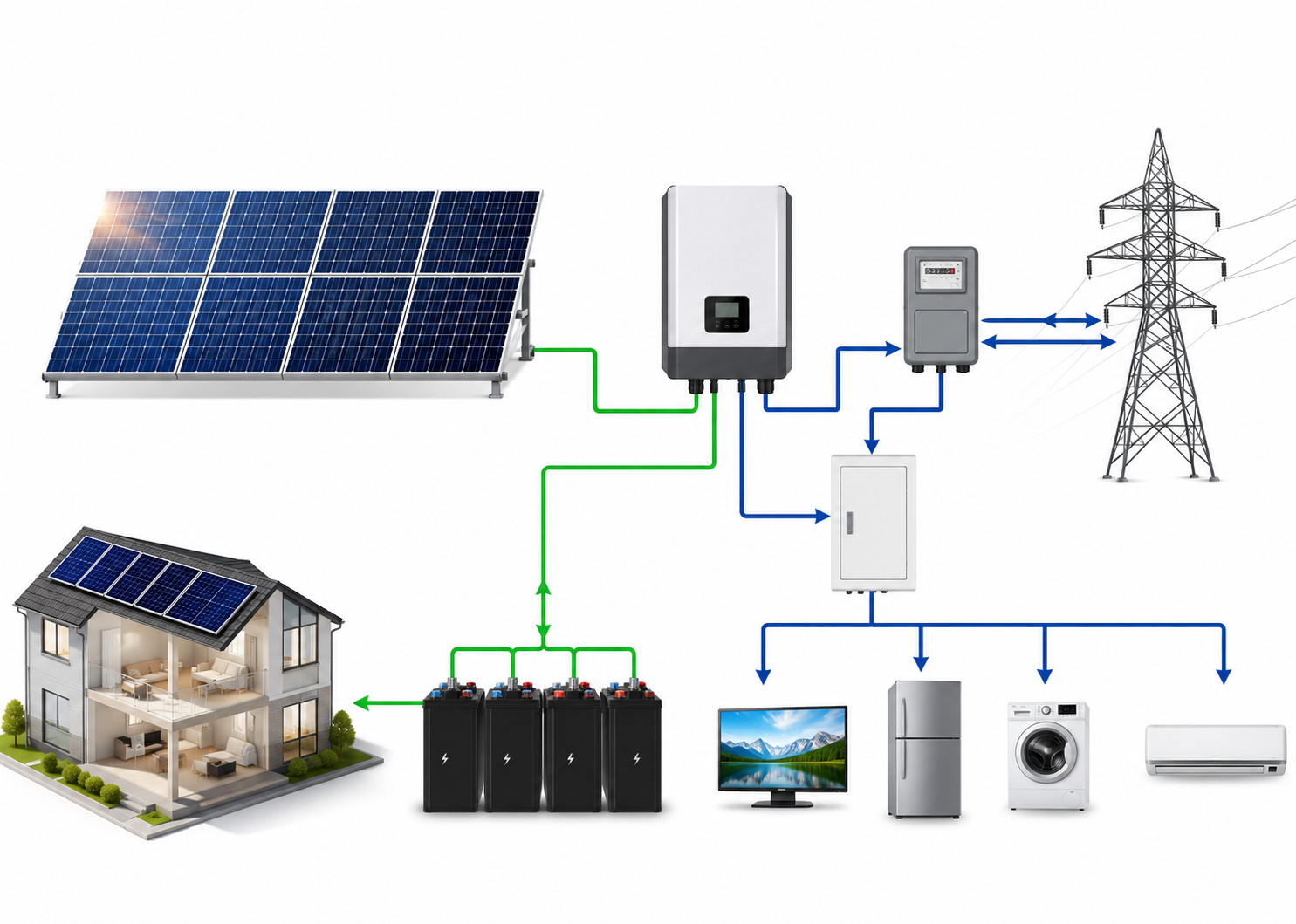
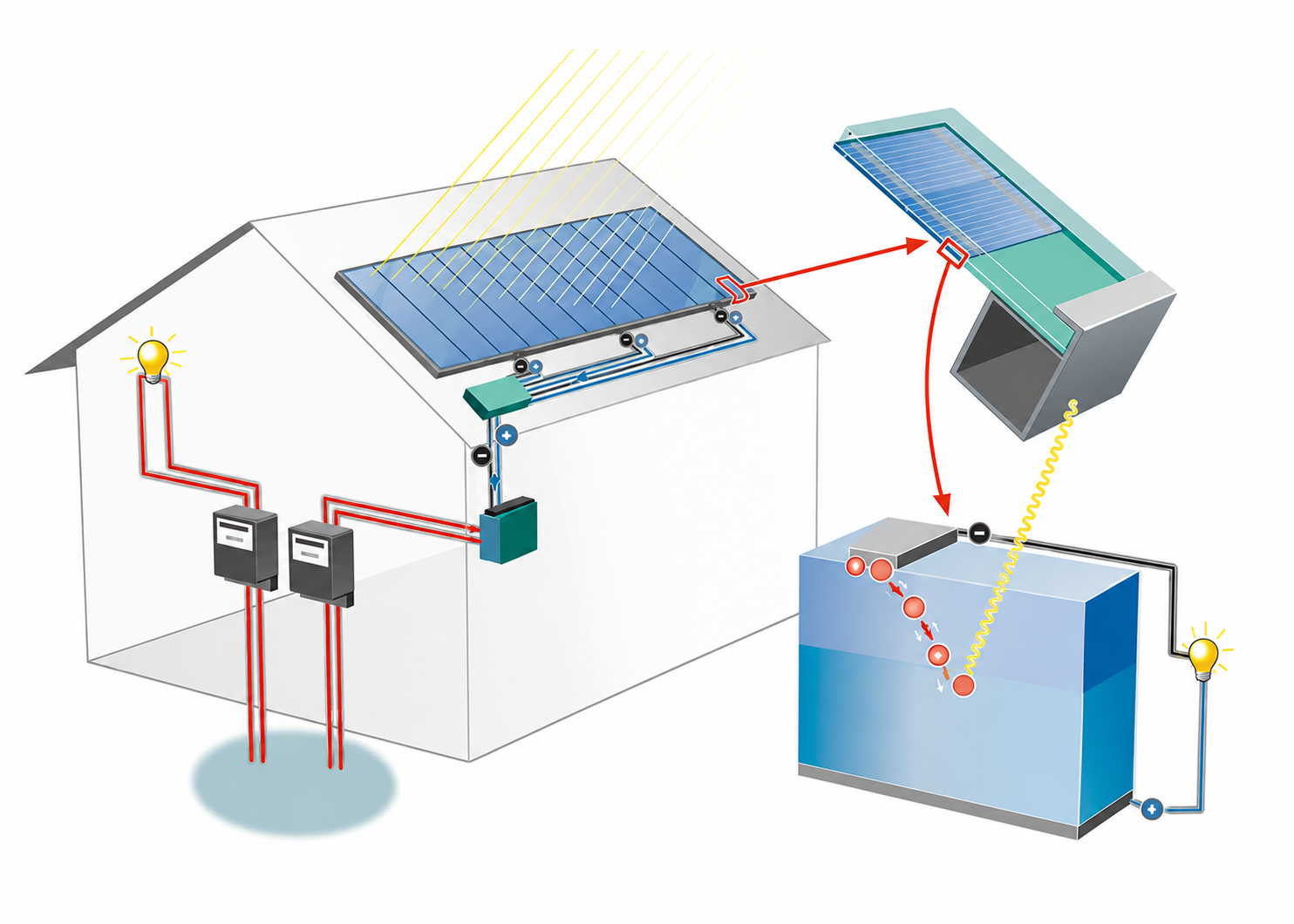
An off-grid solar power plant is a standalone solar energy system that operates without depending on the utility electricity grid. Solar panels capture sunlight and convert it into DC electricity. A solar inverter converts this electricity into usable AC power, while batteries store excess energy for use during the night or when sunlight is limited.
Unlike a grid connected solar system, an off-grid setup is designed to function independently. This makes it particularly useful for rural properties, remote locations, agricultural applications, temporary sites and areas where grid connectivity is unavailable.
The right system size depends on factors such as daily electricity consumption, connected loads, sunlight availability, battery backup requirements and installation location.
How Does an Off Grid Solar System Work?
An off-grid solar plant works through a straightforward energy cycle:
- Solar panels generate electricity – Photovoltaic panels convert sunlight into DC electricity.
- Solar inverter manages power – The inverter converts DC power into AC electricity suitable for appliances and equipment.
- Battery stores surplus energy – Excess solar energy can be stored in batteries for later use.
- Stored power supplies loads – During the evening, cloudy periods or low-sunlight conditions, the battery can provide electricity.
- Energy management continues automatically – The system manages solar generation, battery charging and connected loads according to the system configuration.
This arrangement allows users to access solar-generated electricity without requiring a continuous connection to the utility grid.
Key Components of Off Grid Solar Power Systems
A properly designed system combines several components that work together to deliver usable and dependable power.
Solar Panels
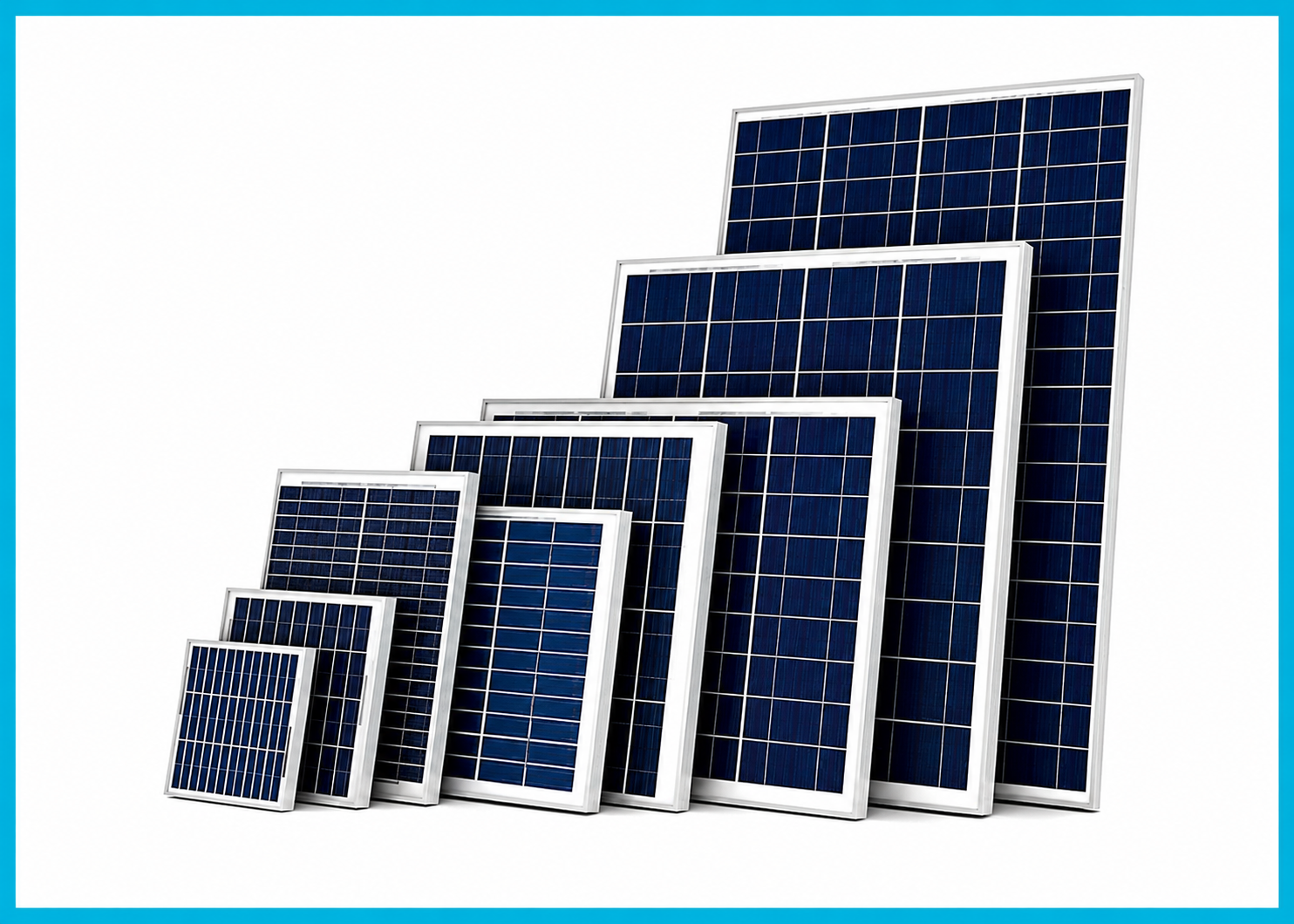
Solar panels are the primary source of energy. They convert sunlight into electrical energy and are selected according to the required capacity and available installation area.
Solar Inverter
The inverter converts the DC electricity produced by the panels into AC electricity used by household appliances, machinery and other electrical loads. In an off-grid system, the inverter also plays an important role in managing battery charging and power supply.
Battery Bank
Batteries store surplus solar energy generated during the day. The stored energy can then be used when solar generation is low or unavailable. Battery capacity is selected according to the required backup duration and load profile.
Charge Controller
A charge controller regulates electricity flowing from the solar panels to the batteries. Depending on the system design, an MPPT or other suitable charging technology may be used to improve energy management.
Mounting Structure and Protection Equipment
Mounting structures securely position the solar panels, while appropriate cables, protection devices, earthing and other balance-of-system components support safe and efficient operation.
Benefits of an Off Grid Solar System for Home
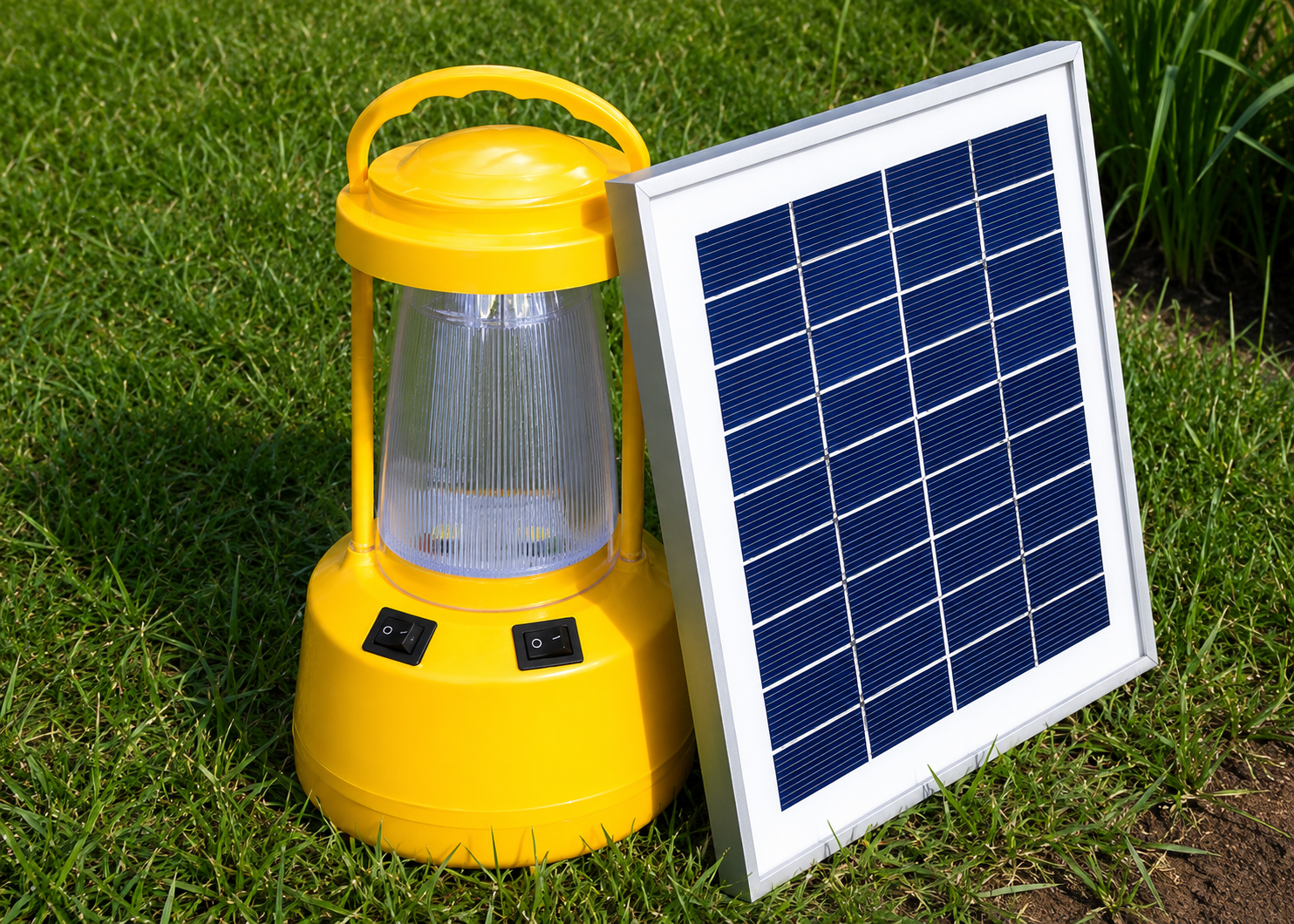
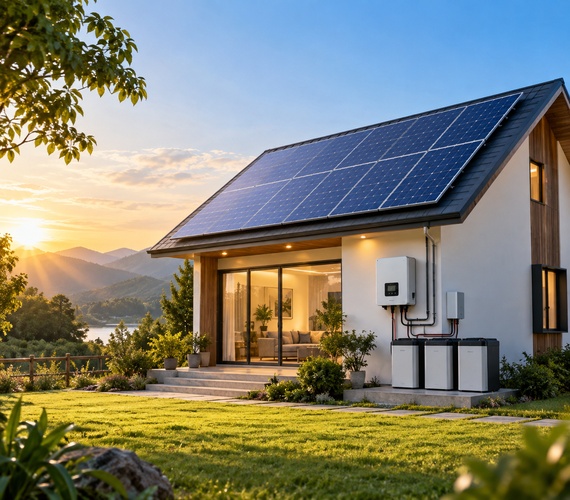
An off grid solar system for home can be a practical solution for households that experience frequent power interruptions or do not have convenient access to grid electricity.
Energy Independence
The system generates electricity from sunlight rather than relying entirely on the utility network. This can be particularly valuable in remote areas.
Backup Power Availability
With suitable battery storage, solar power can remain available after sunset or during temporary reductions in solar generation.
Lower Dependence on Conventional Electricity
Generating and storing electricity on-site can reduce dependence on grid power and conventional backup sources, depending on the household's energy requirements.
Useful for Remote Locations
Homes, farmhouses and properties located away from established electricity infrastructure can benefit from standalone solar generation.
Better Control Over Energy Usage
Solar systems can encourage users to understand and manage their electricity consumption according to available generation and storage capacity.
Off Grid Solar System vs Grid Connected Solar System
Choosing between an off-grid and grid-connected configuration depends on the location and energy requirements.
| Feature | Off Grid Solar System | Grid Connected Solar System |
|---|---|---|
| Utility grid connection | Not required for operation | Required |
| Battery storage | Generally essential | Often optional |
| Backup during grid outage | Can provide power through batteries | Depends on system design |
| Suitable for remote areas | Yes | Less practical where grid is unavailable |
| Energy independence | Higher | Depends on grid availability |
| System design | Based on generation, loads and storage | Often based on generation and grid interaction |
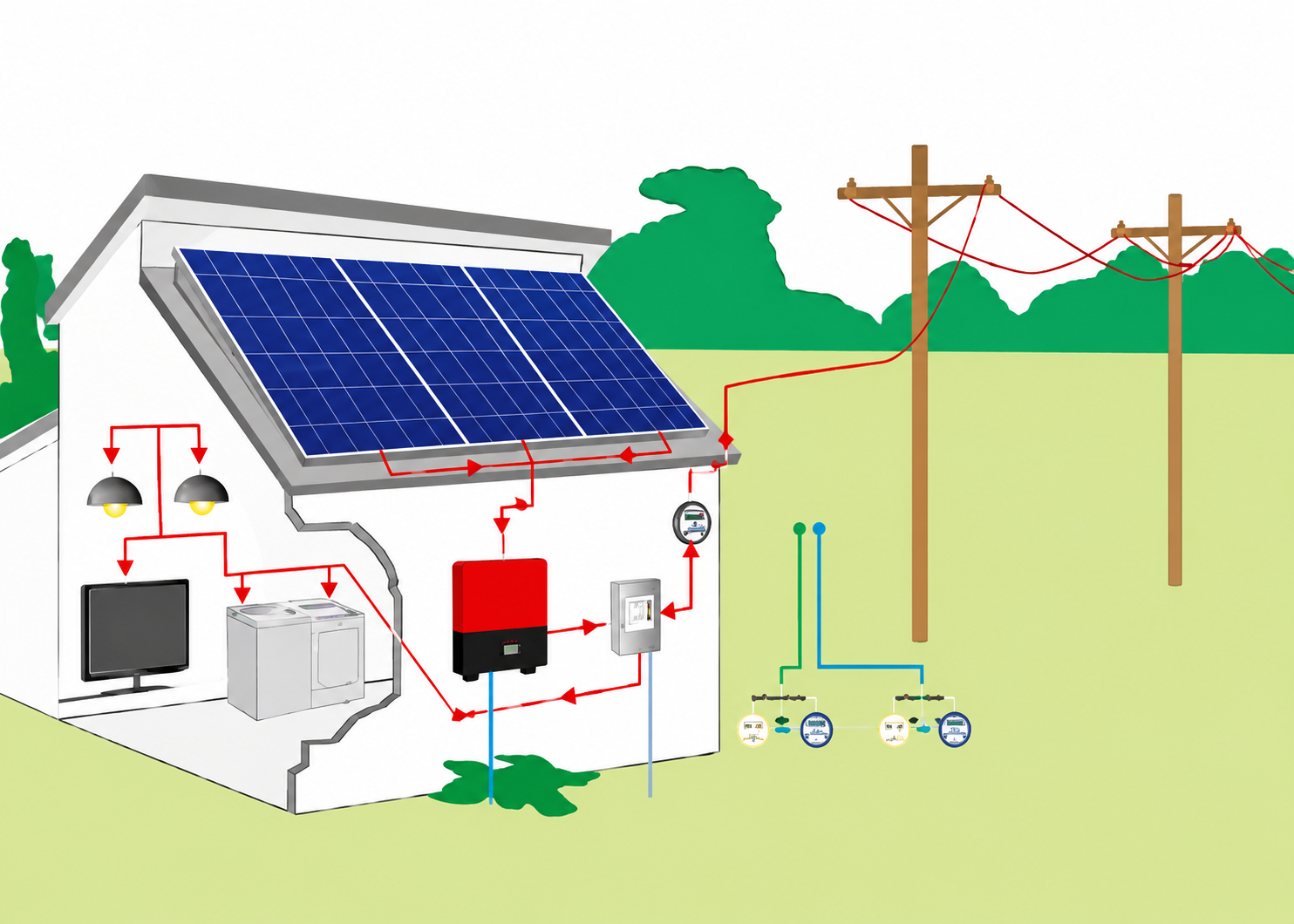
A grid tied solar power system is generally connected to the utility network and can be suitable for properties with dependable grid access. In contrast, an off-grid solution is designed around independent generation and energy storage.
Where Are Off Grid Solar Power Systems Used?
Off-grid solar technology can be adapted for a wide range of applications.
- Residential properties: Homes, farmhouses and rural residences
- Agriculture: Farms, irrigation requirements and agricultural facilities
- Remote locations: Sites without convenient grid connectivity
- Commercial establishments: Small facilities requiring independent power
- Telecommunications: Remote communication infrastructure
- Construction sites: Temporary electricity requirements where grid access is limited
- Educational and community facilities: Locations requiring standalone electricity generation
- Rural infrastructure: Facilities situated away from reliable utility networks
The capacity and configuration can be customised according to the electrical loads and expected operating conditions.
Why Choose Solar India in Delhi?
Solar India, a supplier and manufacturer of off-grid solar power systems in Delhi, focuses on providing solar solutions based on the actual electricity requirements of the customer rather than using a one-size-fits-all approach. A properly planned off-grid plant considers energy consumption, available sunlight, battery requirements, installation conditions and future load requirements.
Requirement-Based System Planning
The system can be designed after evaluating the appliances, machinery or electrical equipment that need to operate.
Complete Solar Solution
From solar panels and inverters to batteries, mounting structures and supporting equipment, the major components can be planned as part of an integrated solution.
Suitable for Different Applications
Whether the requirement is residential, agricultural, commercial or remote-site power, the system configuration can be selected according to the application.
Focus on Practical Energy Management
Solar generation and battery storage are planned around expected electricity consumption so that available solar energy can be used effectively.
Installation Process
Installing an off-grid solar plant involves several important stages:
1. Site Assessment
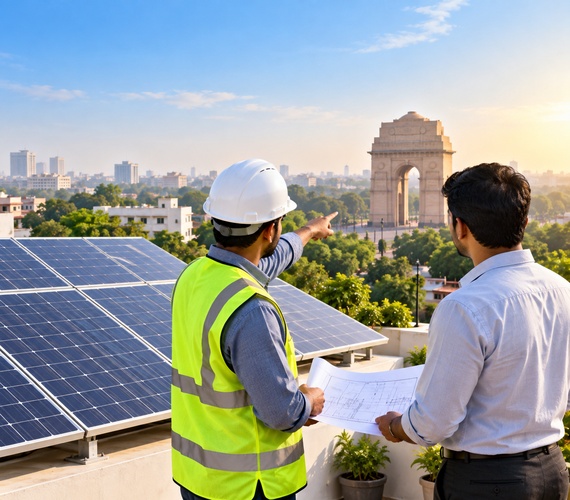
The installation location is evaluated for available space, sunlight exposure and other site conditions.
2. Load Assessment
Daily electricity consumption and connected electrical loads are identified to determine the required system capacity.
3. System Design
Solar panels, inverter, battery capacity and supporting components are selected according to the project's requirements.
4. Installation
Solar panels, mounting structures, batteries, inverter and electrical protection equipment are installed.
5. Testing and Commissioning
The system is checked to ensure that the major components are properly connected and functioning as intended.
6. Operational Guidance
Users are guided on system operation, energy usage and basic maintenance requirements.
Frequently Asked Questions
1. What is an off-grid solar power plant?
An off-grid solar power plant is a standalone electricity system that generates solar power without depending on the utility grid. It generally combines solar panels, an inverter and battery storage to supply electricity according to the user's requirements.
2. Can I install an off grid solar system for home use?
Yes. An off grid solar system for home can be designed for residential applications. The required capacity depends on household electricity consumption, appliances, desired backup duration and available solar generation.
3. Does an off-grid solar system need batteries?
Battery storage is generally an important part of an off-grid system because there is no utility grid available to provide electricity when solar generation is insufficient. Battery capacity depends on the required backup and load profile.
4. What is the difference between an off-grid and grid connected solar system?
An off-grid system operates independently of the utility grid and typically uses batteries for energy storage. A grid connected solar system works alongside the electricity grid and follows a different configuration for power generation and consumption.
Get the Right Off Grid Solar Solution
A well-designed off grid solar power system can provide an independent source of electricity for homes, farms, businesses and remote locations. Solar India, off grid solar power system supplier in Delhi NCR, can help assess your energy requirements and develop a suitable off grid solar power systems solution based on your application, available space, expected consumption and backup needs. Contact Solar India today to discuss your off-grid solar requirement and choose an efficient off grid solar system for your application.