
Send Message Us
Recent Product
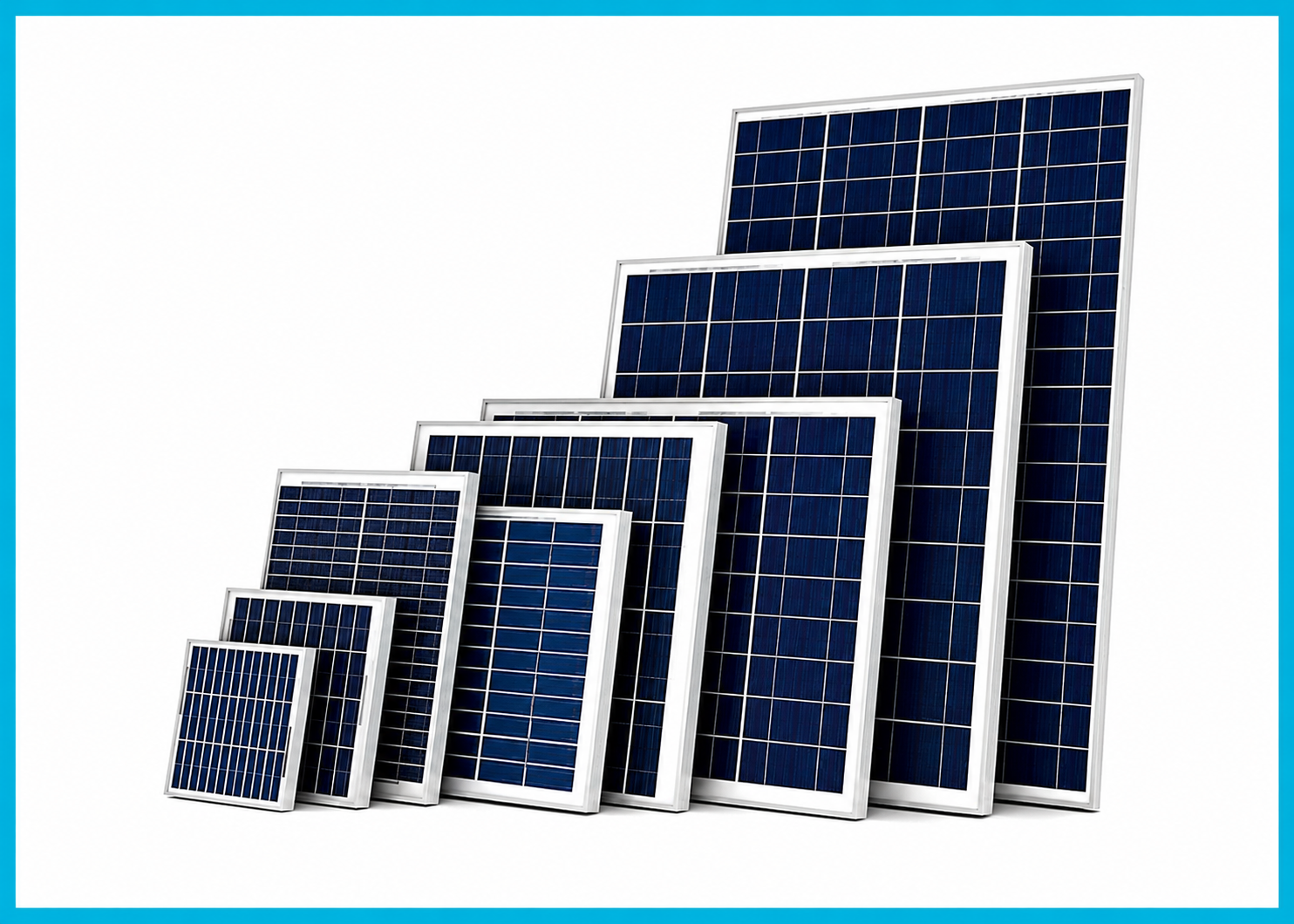
Solar Panel Manufacturer & Supplier in Delhi
Solar Panel for Homes and Commercial Applications
Solar energy has become a practical choice for homes, businesses, institutions, and industrial facilities looking to reduce dependence on conventional electricity. A reliable solar panel converts sunlight into usable electrical energy and can support long-term energy planning while making better use of renewable resources. Solar India, a solar panel supplier in Delhi, provides dependable solar solutions designed around different power requirements, installation conditions, and usage patterns. As an experienced solar panel supplier, we focus on helping customers select suitable solutions for their energy needs.
What Is a Solar Panel?
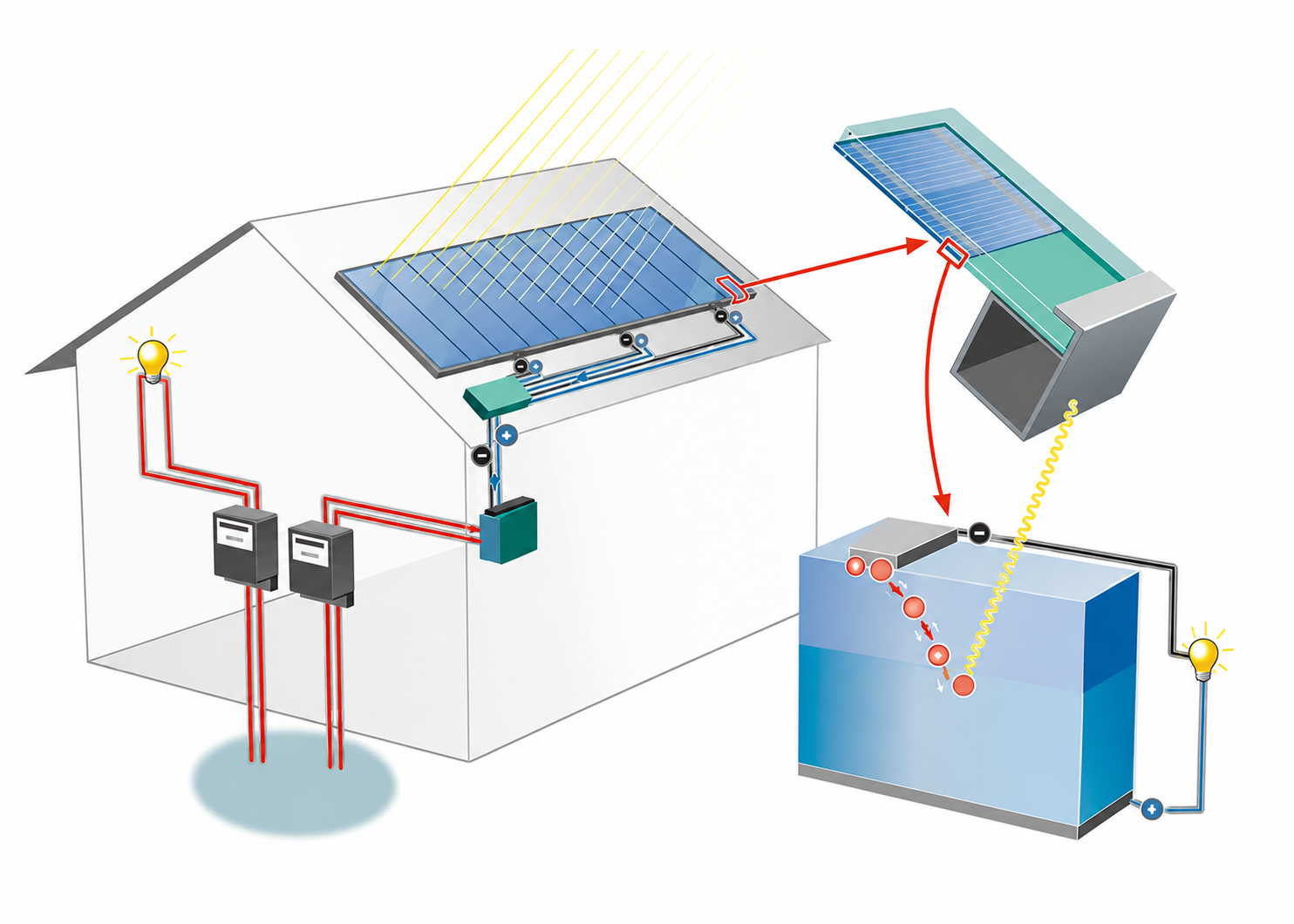
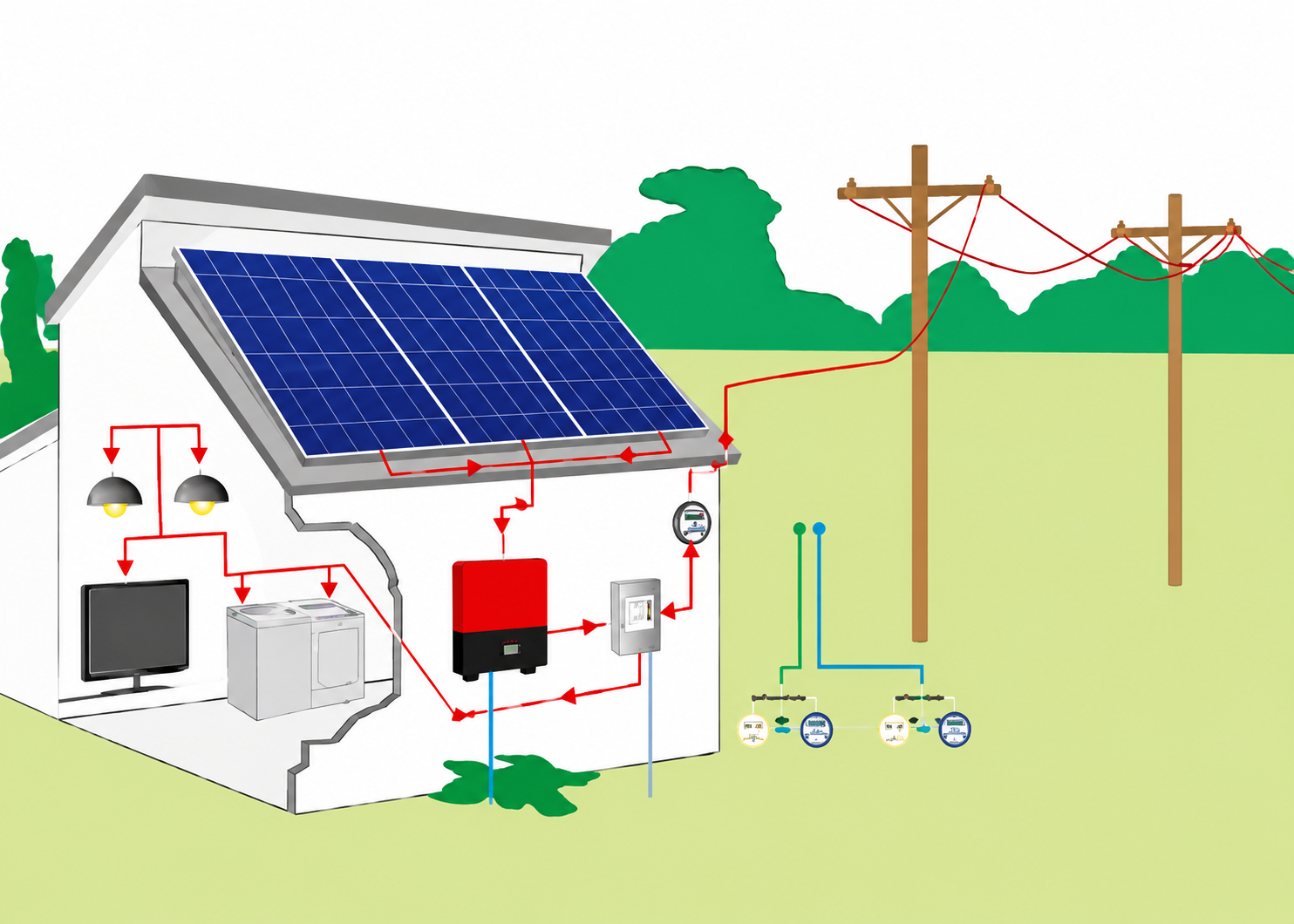
A solar panel is a photovoltaic device that converts sunlight into electrical energy. It consists of interconnected solar cells that generate direct current when exposed to sunlight. An inverter then converts this electricity into alternating current that can be used to operate everyday electrical appliances and equipment.
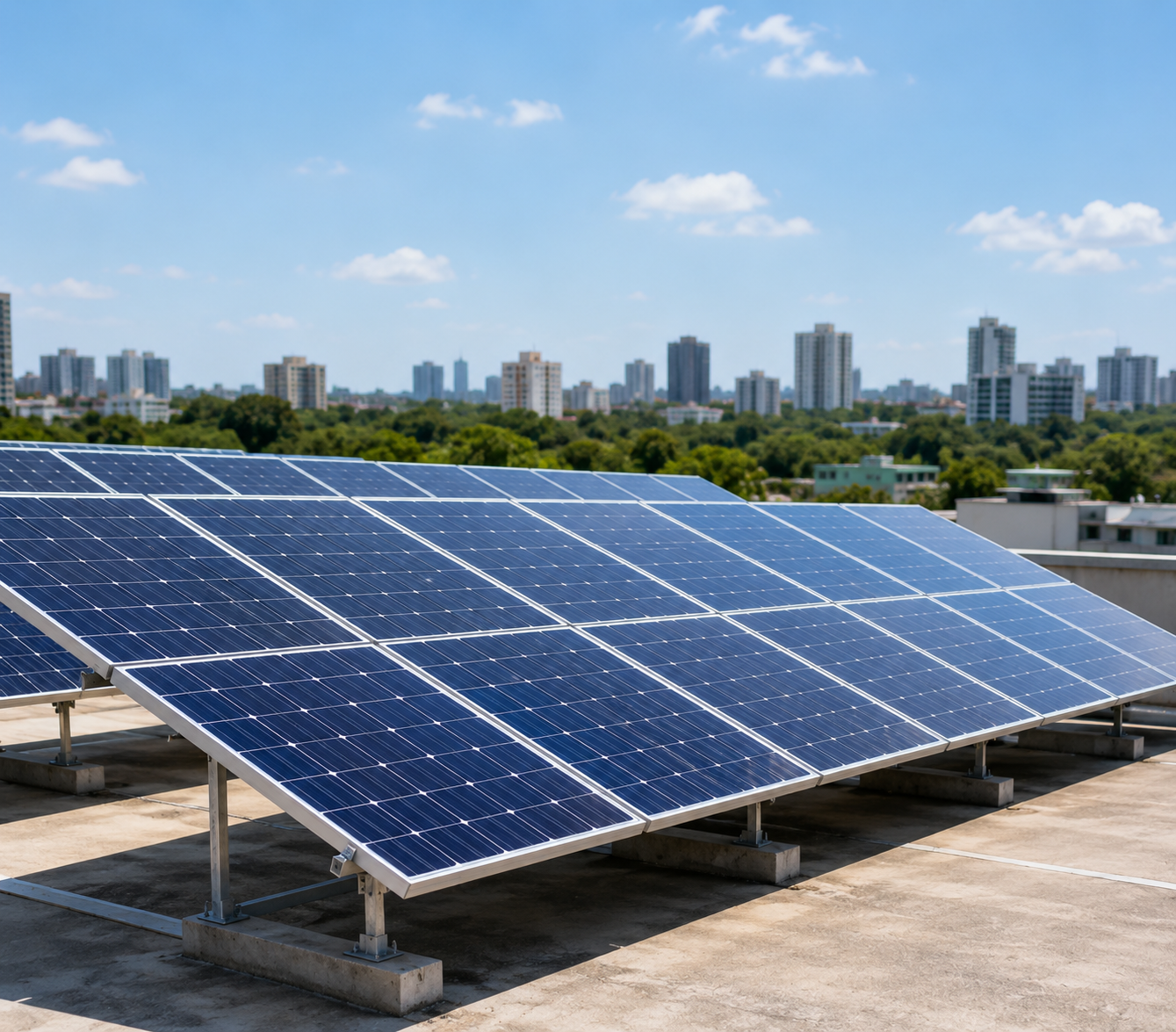
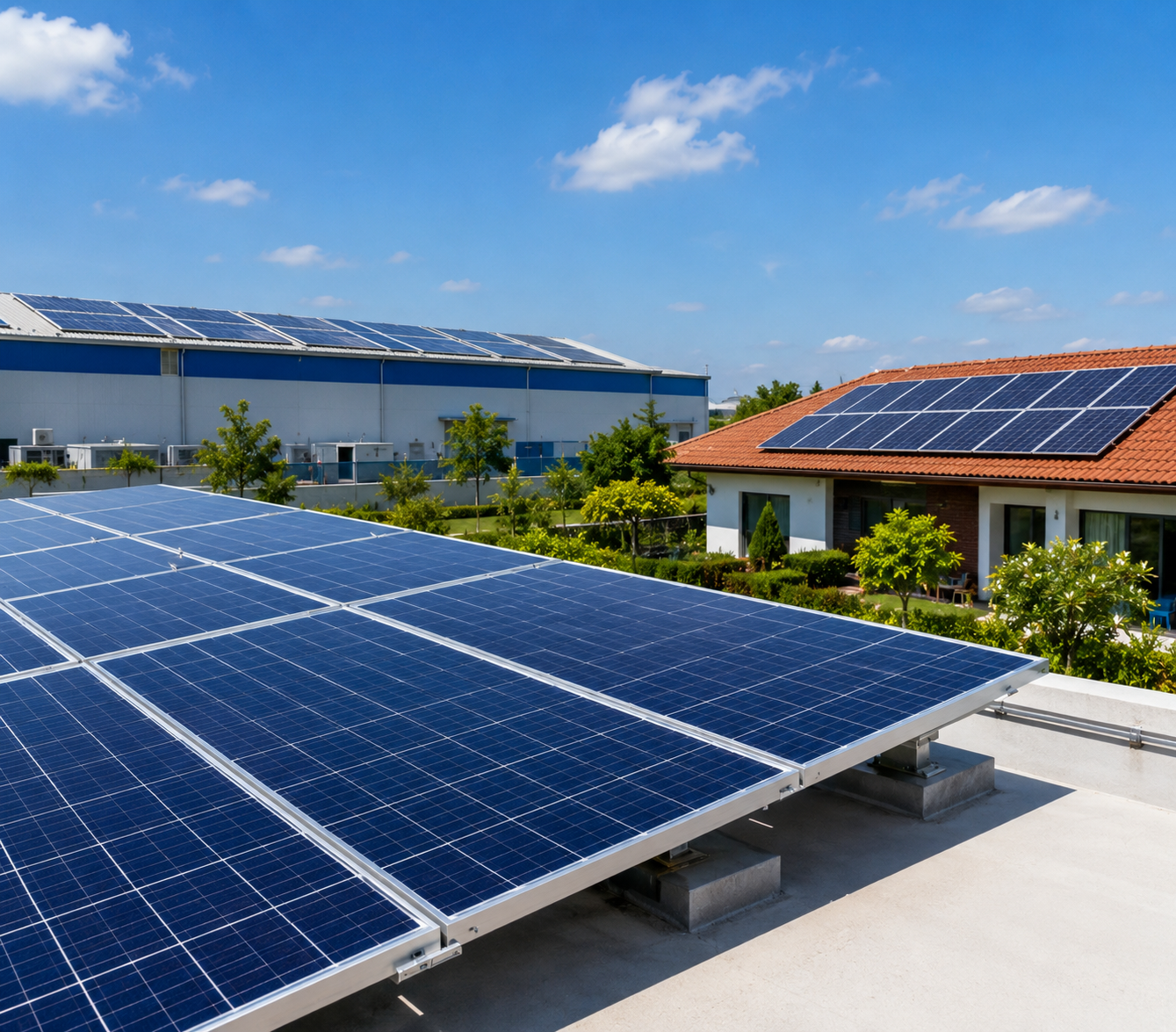
Solar panels can be installed on residential rooftops, commercial buildings, factories, educational institutions, healthcare facilities, and other suitable locations. The overall system can be designed according to available roof space, electricity consumption, budget, and installation requirements. These requirements will be fulfilled by Solar India, a manufacturer of solar panels in Delhi NCR.
For homeowners, solar panels for home can help generate electricity from an abundant renewable source while making the property more energy-efficient. For commercial and industrial users, a properly planned solar installation can contribute to better control over electricity expenses and energy consumption.
How Solar Panels Work
The working principle of a solar panel is based on the photovoltaic effect. When sunlight falls on the photovoltaic cells, the cells generate direct-current electricity.
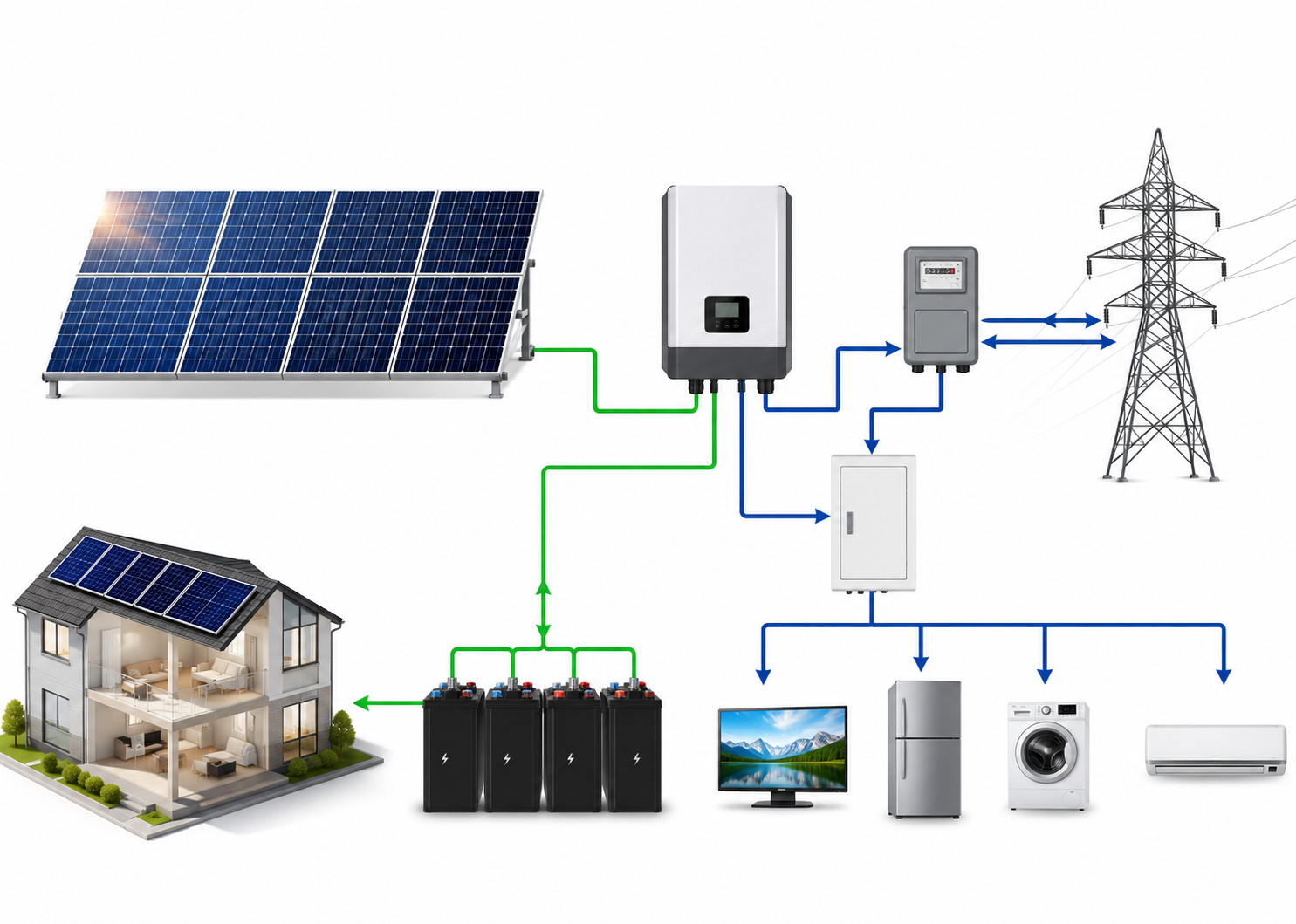
A typical solar power system includes:
• Solar panels for capturing sunlight
• Mounting structures for secure installation
• Solar inverter for converting DC into AC power
• Cables and electrical protection equipment
• Monitoring equipment, where required
• Battery storage in systems designed for backup applications
The electricity produced can be used directly by connected loads. Depending on the system configuration and applicable regulations, excess electricity may also be exported to the grid.
Types of Solar Panels
Different solar technologies are available for different applications. Selecting the appropriate panel depends on factors such as efficiency, available space, environmental conditions, and project requirements.
Monocrystalline Solar Panels
Monocrystalline panels are manufactured using high-purity silicon and are known for their efficient use of available space. They can be suitable for rooftops where installation area is limited and higher output from a given space is desirable.
Polycrystalline Solar Panels
Polycrystalline panels are manufactured using multiple silicon crystals. They have traditionally been used across residential, commercial, and other solar installations where cost and available installation space need to be considered together.
Bifacial Solar Panels
Bifacial panels can generate electricity from light reaching both sides of the panel. Their performance can depend on factors such as mounting height, ground reflectivity, installation design, and surrounding conditions.
The right option should be selected after evaluating the property's electricity requirements and installation conditions rather than choosing a panel based only on its type.
Key Features of Solar Panels
A well-planned solar system can offer several practical features:
• Renewable power generation: Uses sunlight as an energy source.
• Modular installation: Systems can be designed according to different electricity requirements.
• Multiple applications: Suitable for residential, commercial, institutional, and industrial projects.
• Rooftop compatibility: Can be installed on suitable residential and commercial rooftops.
• Low operational requirements: Solar panels generally have no moving parts during electricity generation.
• Scalable solutions: System capacity can be planned according to present requirements and future energy needs.
• Long-term usability: Quality panels can provide electricity generation for many years when properly installed and maintained.
Benefits of Solar Panels
Reduce Dependence on Conventional Electricity
Generating electricity from sunlight gives users an additional source of power. This can reduce reliance on electricity supplied through conventional sources, depending on the size and configuration of the solar system.
Make Better Use of Rooftop Space
For properties with suitable rooftops, solar panels for home can turn unused roof space into an electricity-generating area. This makes rooftop solar particularly useful for homeowners and businesses with adequate sunlight exposure.
Support Renewable Energy Goals
Solar power produces electricity without directly burning fossil fuels during generation. Installing a solar system can therefore support broader efforts to increase the use of renewable energy.
Suitable for Different Applications
Solar solutions can be planned for small residential requirements as well as larger commercial and industrial projects. The system capacity, panel configuration, inverter and other components can be selected according to the application's requirements.
Improve Energy Planning
Businesses and institutions can incorporate solar generation into their broader energy strategy. Depending on electricity consumption and system size, solar generation can help users plan their energy usage more effectively.
Solar Panel Manufacturing and Quality Considerations
Solar panel manufacturing involves multiple stages, including preparation of photovoltaic materials, solar cell production, cell interconnection, module assembly, lamination, framing, and quality testing. Each stage plays an important role in determining the performance and reliability of the finished module.
When selecting a solar panel manufacturer in Delhi, customers should consider factors such as product specifications, applicable quality standards, warranty terms, system compatibility, installation requirements, and after-sales support.
Solar India, one of the top suppliers and manufacturers of solar panels in Delhi NCR, focuses on providing solar solutions with attention to application requirements and product suitability. Our approach is to understand the project's energy needs before recommending an appropriate solution.
Why Choose Solar India?
Choosing the right solar partner is important because the performance of a solar installation depends on more than the panel alone. System design, component compatibility, installation quality, and ongoing support can all influence the overall experience.
Solar India can assist customers with:
• Understanding their solar energy requirements
• Selecting suitable panel solutions
• Planning systems according to available installation space
• Providing appropriate solar equipment
• Supporting residential and commercial requirements
• Offering guidance on system configuration
• Helping customers make informed purchasing decisions
As a solar panel supplier in Delhi, our focus is on providing practical solutions rather than recommending a standard system for every customer.
Solar Panel Installation Process
A typical solar project follows a systematic process:
1. Requirement Assessment
The electricity consumption, property type, available space, and intended application are evaluated.
2. Site Evaluation
The installation location is assessed for available space, sunlight exposure, structural suitability, and other relevant conditions.
3. System Planning
Panel capacity, inverter requirements, mounting arrangements, electrical components, and system configuration are determined.
4. Product Selection
Suitable panels and associated components are selected according to the planned system.
5. Installation
The mounting structure, panels, inverter, wiring, and required electrical protection equipment are installed.
6. Testing and Commissioning
The completed system is checked to ensure that the components are properly connected and the system is ready for operation.
Applications of Solar Panels
Solar panels can be used across a wide range of sectors, including:
• Residential homes and apartments
• Offices and commercial buildings
• Shops and retail establishments
• Factories and manufacturing facilities
• Schools and educational institutions
• Hospitals and healthcare facilities
• Warehouses and industrial premises
• Agricultural and rural applications
• Institutional buildings
The appropriate system size and configuration will depend on the electricity requirement and physical conditions of each project.
Frequently Asked Questions
1. Are solar panels suitable for homes in Delhi?
Yes, solar panels can be installed on suitable residential rooftops. The required capacity depends on household electricity consumption, available roof area, sunlight exposure, and the desired system configuration.
2. How long do solar panels generate electricity?
Solar panels are designed for long-term electricity generation. Their actual performance over time depends on product quality, installation conditions, environmental exposure, cleaning, and maintenance.
3. How many solar panels does a home need?
There is no fixed number for every home. The requirement depends on electricity consumption, panel capacity, available roof space, sunlight conditions, and the desired level of solar generation.
4. Do solar panels work on cloudy days?
Solar panels can generate electricity under cloudy conditions because some sunlight still reaches the photovoltaic cells. However, electricity generation is generally lower compared with bright, direct sunlight.
Choose Solar India for Your Solar Requirements
Switching to solar is a significant energy decision, and selecting the right equipment and system configuration can make the process more practical and effective. Whether you are looking for solar panels for home, a commercial installation, or a larger project, Solar India, a supplier and manufacturer in Delhi NCR, can help you identify a suitable solution based on your requirements. Get in touch with Solar India today to discuss your project and choose the right solar panel solution for your property.
Technical Data
Electrical Data
| Peak Power Pmax (Wp) | 315 | 320 | 325 | 330 | 335 | 340 |
| Maximum Voltage Vmpp (V) | 37.5 | 37.7 | 37.8 | 38.0 | 38.1 | 38.2 |
| Maximum Current Impp (A) | 8.40 | 8.50 | 8.50 | 8.70 | 8.80 | 8.91 |
| Open Circuit Voltage Voc (V) | 45.8 | 46.0 | 46.2 | 46.3 | 46.5 | 45.7 |
| Short Circuit Current Isc (A) | 8.92 | 9.03 | 9.13 | 9.24 | 9.35 | 9.46 |
| Module Efficiency η(%) | 16.23 | 16.49 | 16.75 | 17.01 | 17.26 | 17.52 |
Electrical Parameters at NOCT3
| Power (W) | 233.2 | 237.2 | 240.6 | 244.7 | 248.2 | 251.64 |
| V@Pmax (V) | 34.6 | 34.8 | 34.9 | 35.0 | 35.1 | 35.2 |
| I@Pmax (A) | 6.74 | 6.82 | 6.90 | 6.99 | 7.06 | 7.13 |
| Voc (V) ) | 42.4 | 42.6 | 42.8 | 42.9 | 43.1 | 42.3 |
| Isc (A) | 7.22 | 7.31 | 7.39 | 7.47 | 7.56 | 7.64 |
Temperature Coefficients (Tc)
| Tc of Open Circuit Voltage (β) | -0.29%/°C |
| Tc of Short Circuit Current (α | 0.057%/°C |
| Tc of Power (γ) | -0.38%/°C |
| Maximum System Voltage | 1500 V |
| NOCT | 44°C ± 2°C |
| Temperature Range | -40°C to + 85°C |
Warranty and Certifications
| Product Warranty** | 10 years |
| Performance Warranty** | Linear power warranty for 27 years with 2.5% for 1st year degradation and 0.67% from year 2 to year 27 |
| Approvals and Certificates) | IEC 61215 Ed2, IS/IEC 61730, UL 1703, IEC 61701, IEC 62716, IEC 60068-2-68, IEC 62804, MCS, CE, CAN/CSA 61730, CEC(California)#, PV Cycle^, IS 14286 |
Packaging Information
| Quantity/Pallet | 28 |
| Pallets/Container (40’HC) | 24 |
| Quantity/Container (40’HC) | 672 |
Mechanical Data'
| Length × Width × Height | 1956 × 992 × 36 mm (77.01 × 39.06 × 1.42 inches) |
|---|---|
| Weight | 20.7 kg (45.63 lbs) |
| Junction Box | IP68/IP67, 3 bypass diodes |
| Cable & Connectors | 1200 mm (47.24 inches) length cables, MC4 Compatible/MC4 Connectors/Amphenol |
| Application Class | Class A (Safety class II) |
| Superstrate# | 3.2 mm (0.13 inches) high transmission low iron tempered glass, AR coated |
| Cells | 72 Polycrystalline, 5BB solar cells |
| Cell Encapsulant | EVA (Ethylene Vinyl Acetate) |
| Back Sheet | Composite film |
| Frame | Anodized aluminium frame with twin wall profile |
| Mechanical Load Test | 5400 Pa (Snow load), 2400 Pa (Wind load) |
| Maximum Series Fuse Rating | 15 A |